Compare Local Contractors for Tree Crown Shaping Services
Compare local contractors for tree crown shaping to clarify scope, verify experience, and set clear expectations before hiring.
Tree crown shaping is a specialized service that involves pruning and trimming trees to enhance their appearance, improve their structure, and promote healthy growth. This work typically includes removing dead or diseased branches, thinning out dense foliage, and shaping the canopy to achieve a desired aesthetic or functional goal. Proper crown shaping can also help reduce the risk of branch failure and improve light penetration and air circulation within the tree’s canopy, contributing to the overall health of the landscape.
Defining the scope of tree crown shaping is essential to ensure that property owners and contractors are aligned on expectations. Clearly outlining what parts of the tree will be pruned, the extent of trimming, and any specific goals-such as aesthetic shaping or safety considerations-helps prevent misunderstandings. Having a written scope also provides a basis for comparing proposals from different service providers, ensuring that each contractor’s approach and level of service are transparent and comparable.
When evaluating local contractors for crown shaping work, property owners should consider their experience with similar projects and their understanding of tree health and safety practices. It’s helpful to review how each contractor plans to approach the work and whether they are willing to provide a detailed, written description of the scope. Comparing how contractors communicate their process, their attention to detail, and their ability to follow specific instructions can help in selecting a service provider that aligns with the property’s needs and expectations.
Compare local contractors by outlining your priorities, verifying experience, and clearly defining project expectations in writing.
- Compare Contractor Experience - Review credentials and past work to ensure contractors have relevant experience in tree crown shaping.
- Define Project Scope Clearly - Specify desired shaping outcomes and work details to align expectations with service providers.
- Verify Service Provider Credentials - Confirm qualifications and reputation through references or industry reputation checks.
- Document Agreements in Writing - Establish scope, responsibilities, and expectations in a formal agreement before work begins.
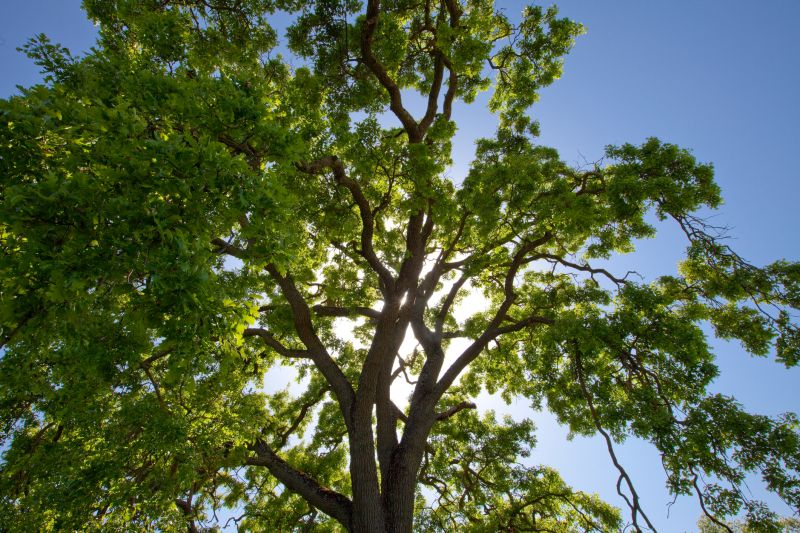
Clearly describe your tree crown shaping project before comparing local contractors’ experience and setting written expectations.
- Verify experience and expertise in tree crown shaping to ensure contractors understand proper pruning techniques. - Look for service providers who clearly define the scope of work and shaping objectives in writing.
- Compare multiple local contractors to assess their approach to crown shaping and the methods they plan to use. - Ensure they follow industry best practices for maintaining tree health and aesthetics.
- Check that contractors are knowledgeable about different tree species and their specific crown shaping needs. - Confirm that they can tailor their services to suit the particular type of trees involved.
- Review the proposed work plan to understand how the shaping will be performed and its impact on the tree’s structure. - Make sure the plan aligns with your expectations and the tree’s health requirements.
- Ensure all project details, including scope, techniques, and expectations, are documented in a written agreement. - This helps prevent misunderstandings and sets clear service expectations.
- Assess the contractor’s reputation and references to gauge their experience and professionalism in crown shaping projects. - Contact previous clients or review feedback to verify quality and reliability.
Use this to compare local contractors, clarify scope, verify experience, and set clear expectations.
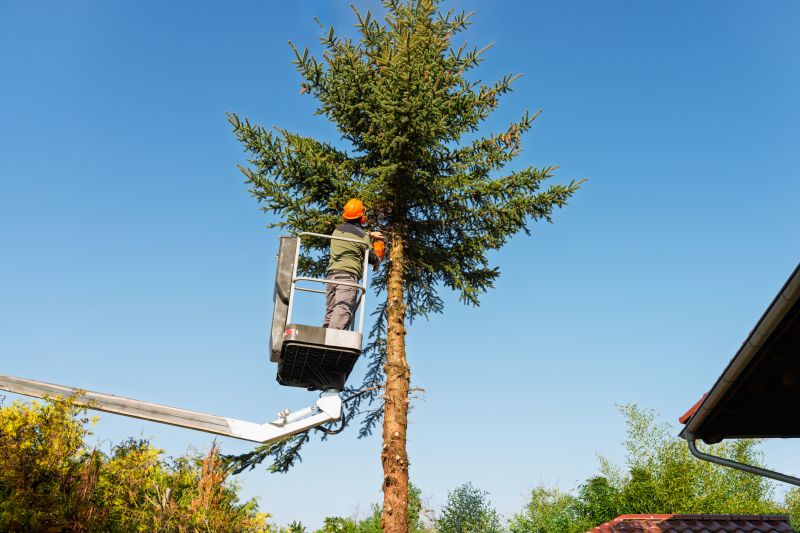

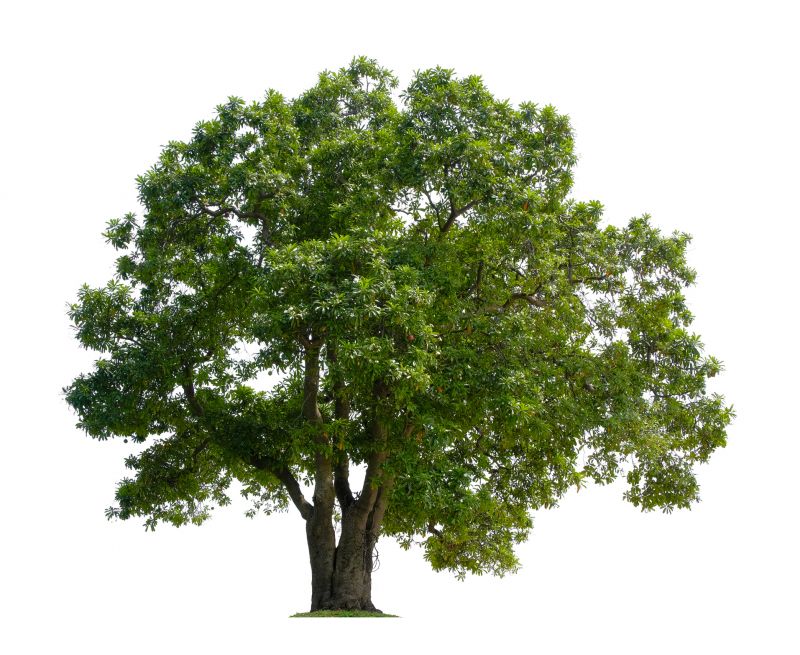
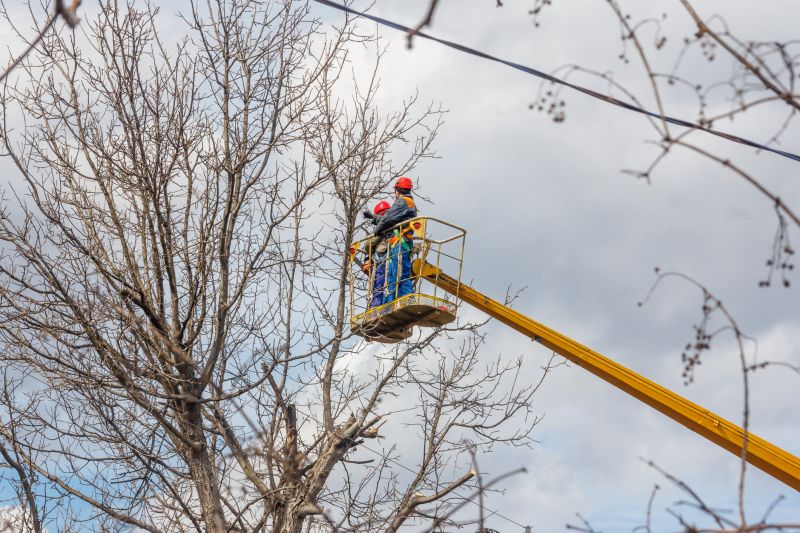
Learn how to compare local contractors for Tree Crown Shaping by defining scope, verifying experience, and maintaining consistent expectations.
- Define the desired shape - specify the target crown form or style to guide the shaping process.
- Assess the tree's species and health - determine the tree type and condition to ensure appropriate shaping techniques.
- Identify any structural issues or hazards - note any weak branches or potential risks that may affect shaping decisions.
- Establish the scope of work - outline which branches or areas are to be trimmed or pruned during shaping.
- Document expectations in writing - create a clear agreement detailing the shaping plan and desired outcome for the project.
When evaluating contractors for Tree Crown Shaping, it is important to consider their experience with similar projects. Homeowners should inquire about how many times a contractor has performed crown shaping on trees comparable in size, species, and location. A contractor with a demonstrated history of handling similar work is more likely to understand the nuances of shaping different types of trees and managing the specific challenges that may arise. This background can provide confidence that the service provider has the practical knowledge needed to meet the project’s requirements effectively.
A clear, written scope of work is essential when comparing contractors. This document should specify the extent of crown shaping, including details such as the number of branches to be pruned, the desired shape, and any specific techniques to be employed. Having a detailed scope helps ensure that all parties have aligned expectations and minimizes misunderstandings later in the process. Homeowners should look for service providers willing to outline their approach in writing, which serves as a reference point and helps in evaluating whether the contractor’s methods align with the homeowner’s goals.
Verification of basic project details is a key step in assessing potential contractors. Homeowners can ask for references or examples of previous work, ensuring that the contractor has a track record of completing crown shaping projects successfully. It is also helpful to verify that the contractor’s experience aligns with the specific needs of the trees involved, such as understanding the health and structural considerations unique to each tree. Confirming these basics can provide additional assurance that the chosen service provider is capable of delivering quality results.
Evaluating options without focusing on prices involves examining how well each contractor’s proposal matches the project scope and your expectations. Homeowners should compare how clearly each service provider articulates their approach, experience, and the specific steps they plan to take. It is also beneficial to assess the professionalism of the communication and the thoroughness of the written scope. By focusing on the quality of the proposed work plan and the contractor’s background, homeowners can make an informed decision based on the most suitable match for the project, rather than cost alone.
Request written scope and details from local contractors to ensure clear expectations and consistent project understanding.
- Experience and Expertise - What specific experience do local contractors have with tree crown shaping?
- Scope of Work - How do contractors define and document the scope of the crown shaping project?
- Methods and Techniques - What shaping techniques and tools do service providers typically use?
- Communication and Expectations - How do local contractors clarify project expectations and deliverables in writing?
- Comparison and Qualifications - What criteria should be used to compare different contractors' qualifications and approaches?
What should I consider when choosing a contractor for tree crown shaping? It's important to compare the experience, reputation, and scope of services offered by different local service providers to find a suitable match for your needs.
How can I verify a contractor’s experience with tree crown shaping? You can review their past work, ask for references, or look for any relevant credentials that demonstrate their familiarity with tree crown shaping techniques.
Why is it helpful to define the scope of tree crown shaping in writing? Having a clear, written scope helps set expectations, ensures all parties agree on the work to be done, and can prevent misunderstandings later.
What questions should I ask a contractor before hiring for tree crown shaping? Inquire about their experience, methods, the types of trees they work with, and how they approach the shaping process to ensure they meet your needs.
How can I compare different contractors for tree crown shaping? Review their service offerings, experience, references, and the clarity of their communication to determine which provider aligns best with your project goals.
What is the importance of setting expectations in writing for tree crown shaping? Written agreements help clarify the scope, procedures, and outcomes, reducing the risk of disagreements and ensuring a shared understanding of the work.
This page has provided an overview of what to consider when seeking contractors for tree crown shaping. Visitors learned how to define the scope of the work, verify the experience of local service providers, and set clear expectations in writing to help ensure a smooth process. Comparing different contractors can help identify options that align with specific needs and preferences.
To find the right professional for the job, using the quote form allows for easy comparison of local contractors. This step can assist in connecting with experienced service providers who understand the requirements of tree crown shaping and are prepared to discuss the details that matter most.