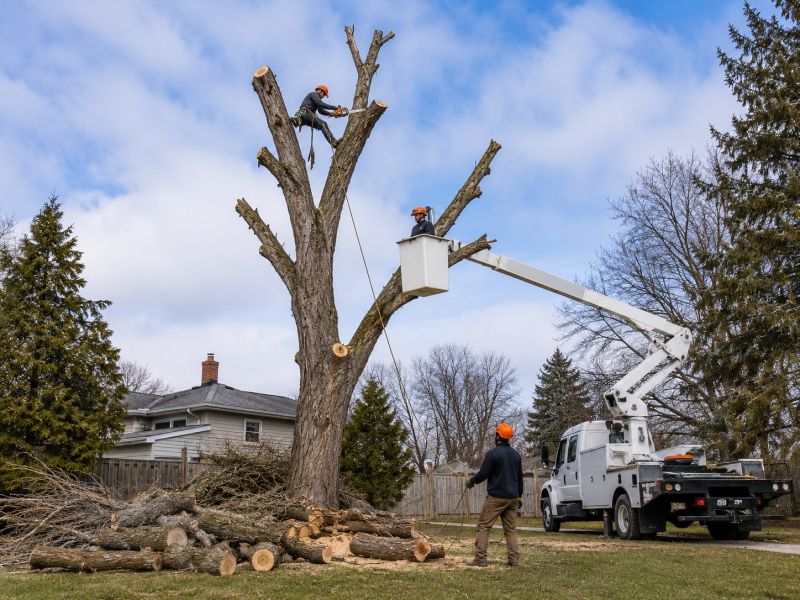
Dead Tree Removal in Montgomery County, PA
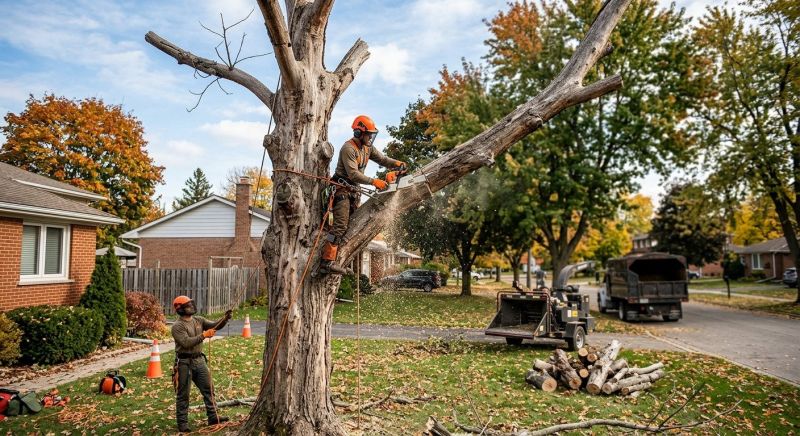
Dead tree removal services involve the safe and efficient removal of trees that are dead, dying, or pose a risk to surrounding property. This process typically includes assessing the tree’s condition, planning the safest method of removal, and then carefully cutting and hauling away the affected tree and debris. Projects often include removing hazardous trees near structures, clearing fallen or broken branches after storms, or removing trees that are diseased and could potentially spread issues to nearby healthy vegetation. Property owners should consider the tree’s location, size, and condition when requesting this service, as well as any potential impact on nearby landscaping or structures.
Before requesting dead tree removal, property owners usually want to understand the scope of work, including the potential need for equipment like cranes or bucket trucks for larger trees, and the cleanup process afterward. It’s also helpful to know if there are any restrictions or permits required for tree removal in the area. Clear communication about the tree’s accessibility and surrounding environment can ensure the project proceeds smoothly and safely. Proper planning and understanding of the process can help property owners make informed decisions about removing dead or hazardous trees from their property.
Many property owners in Montgomery County, PA look into Dead Tree Removal for repairs, replacements, upgrades, and appearance-related improvements.
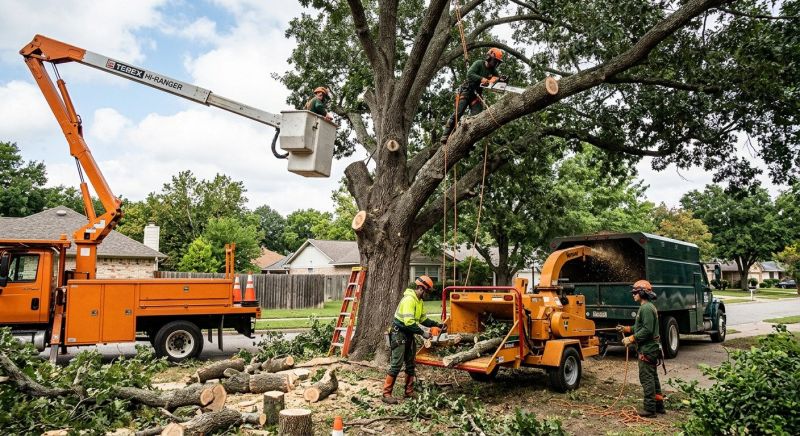
Hazardous Dead Tree Removal
Removing dead trees that pose safety risks to nearby structures and people.
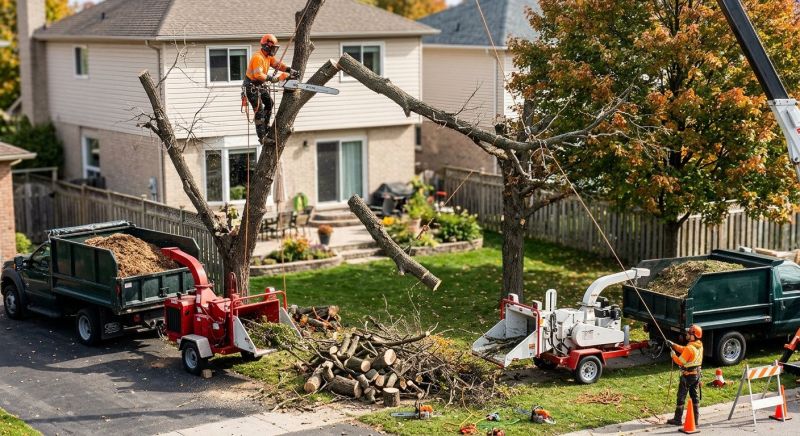
Property Aesthetic Improvement
Enhancing the appearance of residential and commercial properties by clearing unsightly dead trees.
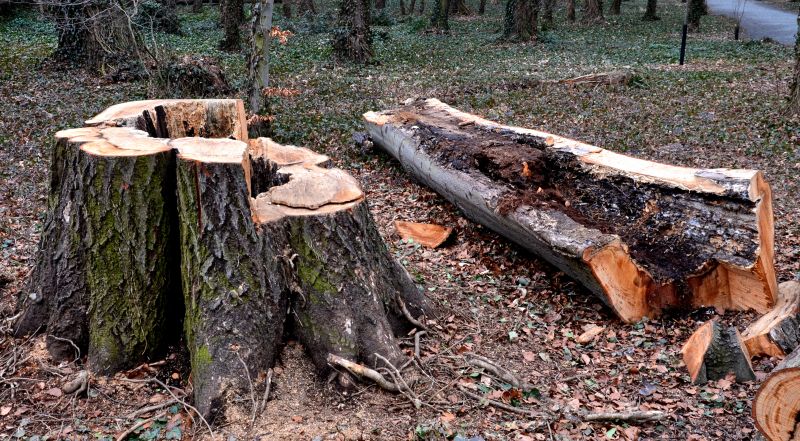
Preventing Property Damage
Eliminating dead trees to avoid potential damage caused by falling branches or entire trees during storms in montgomery county, pa.
Dead Tree Removal in Montgomery County, PA
Dead tree removal services involve the safe and efficient removal of trees that are dead, dying, or pose a risk to surrounding property. This process typically includes assessing the tree’s condition, planning the safest method of removal, and then carefully cutting and hauling away the affected tree and debris. Projects often include removing hazardous trees near structures, clearing fallen or broken branches after storms, or removing trees that are diseased and could potentially spread issues to nearby healthy vegetation. Property owners should consider the tree’s location, size, and condition when requesting this service, as well as any potential impact on nearby landscaping or structures.
Before requesting dead tree removal, property owners usually want to understand the scope of work, including the potential need for equipment like cranes or bucket trucks for larger trees, and the cleanup process afterward. It’s also helpful to know if there are any restrictions or permits required for tree removal in the area. Clear communication about the tree’s accessibility and surrounding environment can ensure the project proceeds smoothly and safely. Proper planning and understanding of the process can help property owners make informed decisions about removing dead or hazardous trees from their property.
Many property owners in Montgomery County, PA look into Dead Tree Removal for repairs, replacements, upgrades, and appearance-related improvements.
Common Dead Tree Removal Jobs
Dead tree removal - safely eliminates hazardous or decayed trees from the property.
Stump grinding - clears out leftover stumps to improve yard safety and appearance.
Emergency tree removal - addresses urgent situations caused by storm damage or fallen trees.
Selective tree removal - removes specific trees to promote healthy landscape growth.
Root removal - extracts invasive or damaged roots that threaten property foundations.
Hazard assessment - evaluates tree health and recommends removal to prevent property damage.
Dead Tree Removal Questions
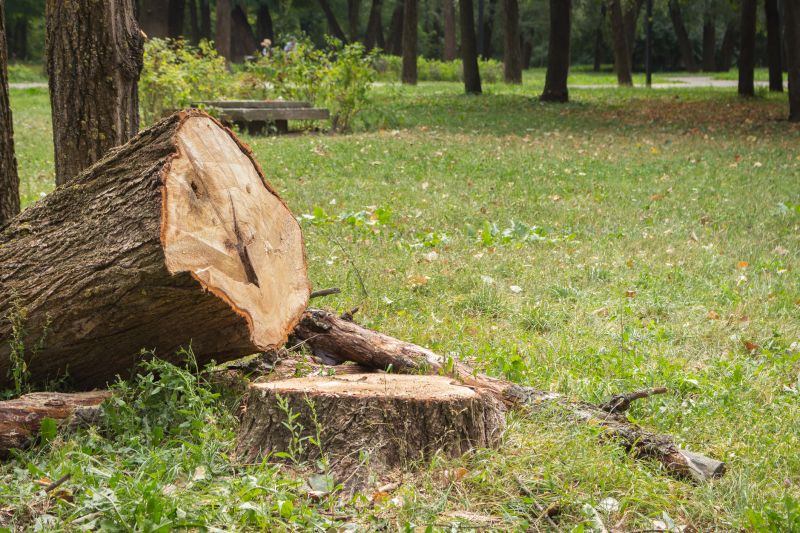
When is dead tree removal necessary? Dead trees pose safety risks and can damage property if left unattended. Removal is recommended when a tree shows signs of decay, disease, or instability.
How can I tell if a tree is dead or dying? Indicators include lack of leaves, brittle branches, discoloration, and signs of decay or pests. A professional assessment can confirm the condition.
What are common reasons for removing a dead tree? Reasons include preventing potential hazards, clearing space for landscaping, or removing trees that are beyond recovery due to disease or damage.
What should property owners consider before removing a dead tree? Consider the tree’s location, proximity to structures or utilities, and whether any permits are required for removal in the area.
Request Dead Tree Removal in Montgomery County, PA
Use the quote form on this page to share the basics of your project and request more information for the type of work you need.